 Family Owned & Operated


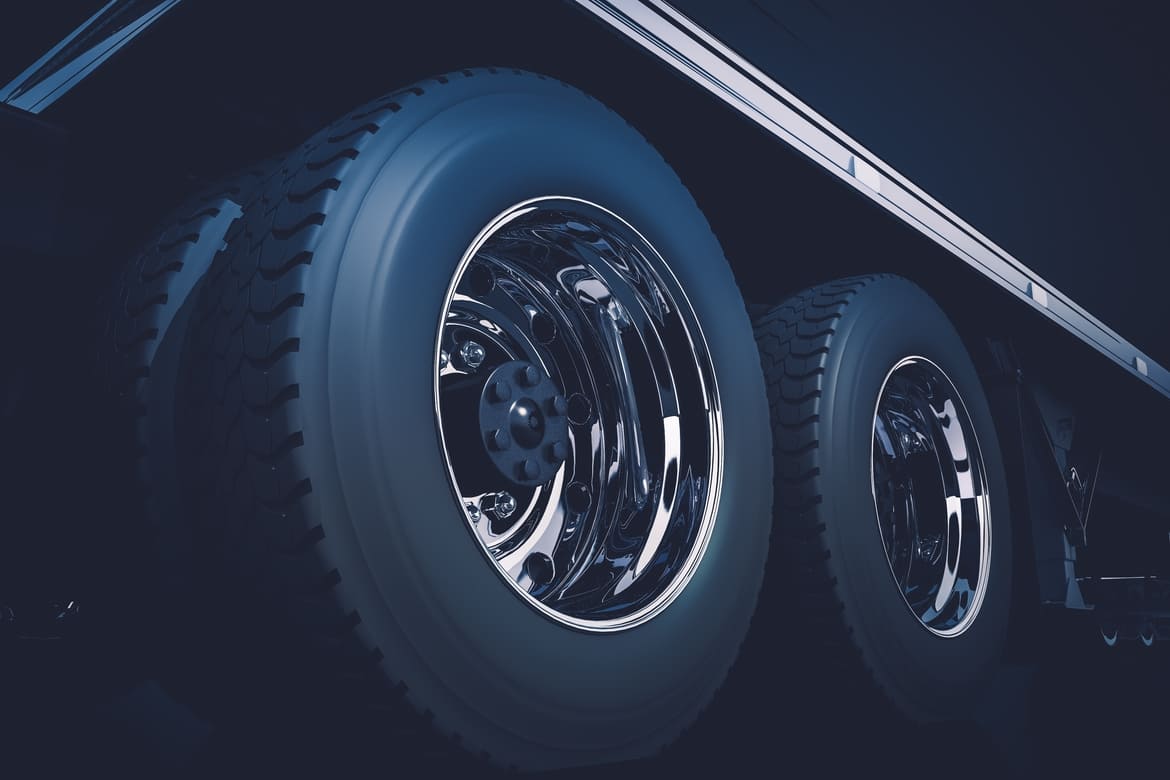
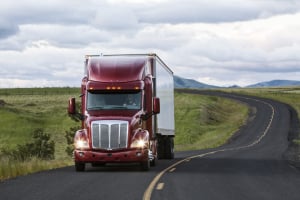
Keeping a commercial vehicle on the road comes down to the six, ten, or eighteen contact points between rubber and asphalt. Whether you operate a single tractor trailer, manage a regional fleet, or run a school bus route, the tires you choose affect fuel economy, handling, tire life, and safety on every mile.
At Dan the Tire Man, we supply semi truck tires, big rig tires, tractor trailer tires, steer tires, drive tires, all position tires, and commercial tires for every application. This guide breaks down the categories, the common sizes, and what actually matters when you are buying.
Understanding the Position: Steer, Drive, and All Position Tires
Commercial tires are spec'd by position, and using the wrong tire in the wrong position is one of the most expensive mistakes a fleet operator makes.
Steer tires go on the front axle of a tractor or straight truck. They carry the steering loads, absorb road feedback, and need to deliver precise handling and even wear across their full tread width. Steer tires are typically built with a closed rib tread pattern for stability and a harder compound for longer wear. The most common steer tire size on Class 8 tractors is 295/75R22.5, with 11R22.5 still common on older equipment and 315/80R22.5 widely used in regional and long-haul applications. Wide-base single steer tires such as 385/65R22.5 are gaining ground on newer equipment.
Drive tires sit on the rear tandem axles of a semi and do the work of pushing the load. They need traction on wet roads, packed gravel, and the occasional muddy dock yard, which is why drive tires feature deeper, more aggressive lug-style or rib-lug combination tread patterns. Standard drive tire sizes are 295/75R22.5 and 11R22.5, with 11R24.5 still in use on legacy fleets. Drive tires in low-rolling-resistance compounds have become the spec of choice for fuel-conscious long-haul operators.
All position tires are designed to work at steer, drive, or trailer position. They are common on straight trucks, pickup and delivery vehicles, and smaller commercial fleets where the simplicity of running one SKU across the whole truck outweighs the optimized performance of position-specific tires. All position tires in 245/70R19.5 and 225/70R19.5 are standard on medium-duty delivery trucks. Class 8 all position tires typically run in the same 295/75R22.5 footprint as dedicated steer and drive tires.
Trailer Tires and Tractor Trailer Combinations
Tractor trailer tires on the trailer axles face a different set of demands than steer or drive positions. Trailer tires deal primarily with scrubbing and side forces as the trailer tracks through turns, and they carry consistent static and dynamic loads across long distances. The dominant trailer tire size in the US is 295/75R22.5, though 11R22.5 and 255/70R22.5 remain common. Wide-base 445/50R22.5 tires are now standard spec on many new trailers where single-tire configurations replace traditional dual assemblies.
When building out a full tractor trailer tire package, matching load ratings and speed ratings across positions matters. Running mismatched load ranges between duals creates unequal load sharing and accelerated wear on the lighter-rated tire.
Semi Truck Tires Near Me: Same-Day and Next-Day Availability
One of the most common searches in commercial tires is "semi truck tires near me," and it usually means someone has a truck down and needs rubber today. We work with major commercial tire distribution networks that cover most major metro areas and highway corridors across the country, with options for same-day availability at select locations.
If you need tires fast, call us directly. Tell us your location, the size you need, and how many. We can tell you quickly whether same-day delivery to your location is an option, or get you to the nearest point with inventory.
Dump Truck Tires
Dump truck tires take a beating that most highway tires are not built to handle. Between the overloaded haul weights, the sharp rock and debris on haul roads and job sites, and the constant stopping and starting, dump truck tire life is a constant fleet management challenge.
Regional dump trucks typically operate on 11R22.5 or 315/80R22.5, while larger quarry and off-highway dump trucks move into OTR sizes such as 26.5R25. For on-road dump truck operation, a lug drive tire with a cut-resistant compound is the right spec. Operators running mixed on-road and off-road routes often benefit from a rock-service drive tire that gives traction on both surfaces without sacrificing too much highway tread life.
Load range is critical on dump trucks. Most Class 8 dump trucks run load range G (14-ply) or load range H (16-ply) tires. Running load range F on an overloaded axle is a safety and durability problem that shows up fast.
School Bus Tires
School bus tires have a spec that is driven as much by regulation and safety requirements as by cost. Most school buses operate on 11R22.5 or 295/75R22.5. Steer position tires on school buses are typically load range G or H with a rib tread for even wear and consistent handling. Drive axle school bus tires need solid wet traction, particularly in northern climates where winter weather is a regular operating condition.
Fleets running school buses on mixed routes should pay attention to tread depth requirements in their state. Most state DOT standards require a minimum of 4/32" on steer axles and 2/32" on drive axles before pulling a tire, though 6/32" front and 4/32" drive is a much safer practical limit.
Tow Truck Tires
Tow trucks span a wide range of configurations, from light-duty wheel-lift units on F-450 frames to heavy-duty rotator cranes capable of recovering semis and buses. Tire needs vary accordingly.
Light duty tow trucks running commercial van or pickup platforms use LT-metric sizes such as LT245/75R16 or LT265/70R17. Medium duty wreckers on Class 6 and Class 7 chassis typically run 225/70R19.5 or 245/70R19.5. Heavy duty tow trucks on Class 8 tandem frames use the same 295/75R22.5 and 11R22.5 as semi tractors.
Steer tires on tow trucks deserve extra attention. A loaded rotator or underlift puts enormous stress on the front axle, and a worn or improperly rated steer tire on that equipment is a handling and safety hazard. We always recommend load range H minimum on heavy wrecker front axles.
Cargo Van Tires
Cargo vans have gotten heavier as fleets push them harder. A fully loaded Transit, Sprinter, or ProMaster can approach or exceed its GVWR, and commercial operators running these vehicles on daily routes need load-rated tires that can handle the duty.
The dominant cargo van tire sizes are 235/65R16C, 215/75R16C, and 195/75R16C for high-roof and standard configurations. The "C" designation is critical; it indicates a commercial load rating that standard passenger tires in the same size do not carry. Running a non-commercial tire on an overloaded cargo van is a warranty-voiding and potentially dangerous spec.
For Sprinter operators, 225/75R16C is a common replacement size. Transit Custom and ProMaster vans typically run 215/65R15C or 215/75R16C depending on the trim and load specification.
Big Rig Tires and Long-Haul Specifications
The term "big rig tires" covers the full Class 8 tractor tire category, and the purchasing decisions for long-haul fleets are increasingly driven by cost-per-mile rather than upfront price. A tire that costs 15 percent more but runs 30 percent farther is always the better buy on a linehaul route.
Low rolling resistance (LRR) tires have become standard on long-haul tractors. The fuel savings are real: the Department of Energy has documented that a 10 percent reduction in rolling resistance translates to roughly a 3 percent improvement in fuel economy. At 120,000 to 150,000 miles per year, that adds up fast.
SmartWay-verified tires meet EPA standards for fuel efficiency and are increasingly required by shippers and load boards as part of sustainability commitments. Most major brands including Michelin, Goodyear, Bridgestone, Continental, and Yokohama offer SmartWay-verified options in the 295/75R22.5 and 11R22.5 footprints.
Buying Commercial Tires from Dan the Tire Man
Dan has been in the tire industry for over 40 years, and commercial truck tires are not a sideline for us. Whether you need a single replacement steer tire to get a truck moving again or you are building a spec for a new fleet, we can help you get the right tire at a price that makes sense.
We source through major distribution networks and can ship direct to your location, your shop, or your fleet facility. Call us with your make, model, position, and current tire size and we will get you taken care of.