

I'm Dan Marsh, owner of danthetireman.com, and today I'm here to take you through the crucial task of checking your tire pressure. Whether you're a seasoned road warrior or a new driver, understanding how to maintain the correct tire pressure is key to ensuring your vehicle runs efficiently and safely. So let’s dive right in and get our hands a little dirty!
Why Checking Your Tire Pressure is Essential
Before we get into the how-to, let's talk about why this matters. Tire pressure affects everything from your car's fuel efficiency and tire lifespan to handling and braking. Driving with improperly inflated tires can lead to increased wear and tear, higher fuel costs, and even dangerous blowouts. Keeping them properly inflated will save you money on fuel and it will help to keep you and your passengers safe on the road.
Tools You'll Need
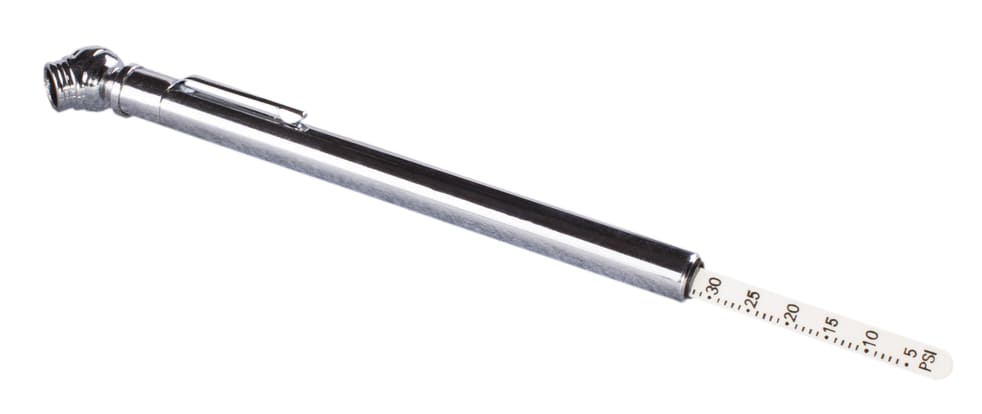
To check your tire pressure, you'll typically need a reliable tire pressure gauge. These come in digital or analog forms and are quite affordable. However, if you find yourself without a gauge, don't worry—I'll cover how to eyeball tire pressure in a pinch later in this post.
Step-by-Step Guide to Checking Your Tire Pressure1
1. Find the Recommended Pressure: First, locate your vehicle’s recommended tire pressure. This information can usually be found on a sticker inside the driver’s side door or in your vehicle’s owner manual. It’s important to go by this recommendation rather than the maximum pressure listed on the tire sidewall.
2. Check When Tires are Cold: Tire pressure can fluctuate with temperature changes. For the most accurate reading, check your tires when they are "cold," meaning the car has been parked for at least three hours or hasn’t been driven more than a mile or two.
3. Remove the Cap from the Tire Valve: The valve stem cap on your tire is small but crucial. It keeps dirt and moisture out and ensures air doesn’t escape. Remove the cap and place it somewhere safe where you won’t lose it.
4. Place Your Gauge on the Valve Stem: Press your tire gauge onto the valve stem and press firmly. If you hear a hissing sound, adjust until it stops; this indicates that the gauge is properly seated.
5. Read the Pressure and Adjust Accordingly: Take the reading from your gauge. If the pressure is below the recommendation, add air and check again. Conversely, if it's too high, release some air and recheck. Most service stations have air pumps available, and many are free to use.
6. Replace the Valve Cap: Don’t forget to replace the cap on your valve stem. It protects the valve from dirt and debris and helps prevent air leakage.
How to Check Tire Pressure Without a Gauge
Caught without a gauge? While not ideal, you can do a basic check by looking at and feeling the tire. If a tire looks noticeably deflated or feels very soft when you press on it, it likely needs more air. However, this method is very imprecise, so I highly recommend using a gauge as soon as possible.
Frequently Asked Questions
- How often should I check my tire pressure? Ideally, you should check your tire pressure monthly and before any long trips. It takes just a few minutes but can significantly impact your driving experience.
- Can weather affect tire pressure? Absolutely! Tires can lose or gain about 1 PSI (pound per square inch) for every 10°F change in temperature. This is why it’s especially important to check during those hot summer days and cold winter nights.
- What happens if I don’t check my tire pressure regularly? Neglecting to check tire pressure can lead to poor fuel economy, reduced tire life, unsafe driving conditions, and ultimately, tire failure.
Why Learning How to Check Tire Pressure is Beneficial
By keeping your tires properly inflated, you're ensuring that your vehicle is performing at its best. This simple maintenance task can prevent a host of problems down the road—literally and figuratively. Plus, it’s an easy way to contribute to your vehicle’s longevity and safety.
Interested in more tire maintenance tips? Head over to danthetireman.com to learn more about tire maintenance and ensure your ride is smooth and safe every time you hit the road. Remember, keeping an eye on your tire pressure is not just about maintenance, it’s about safety and saving money.