


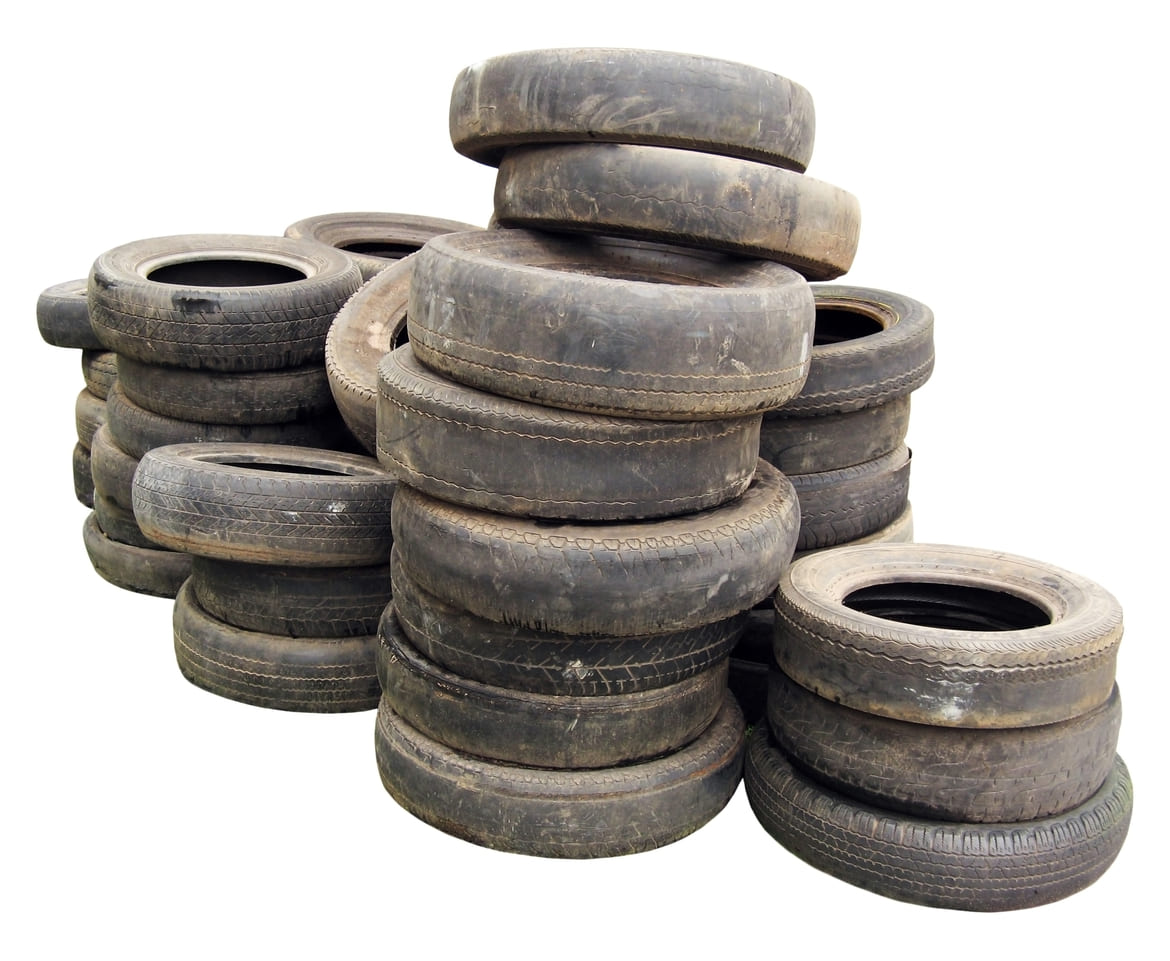
When it comes to vehicle maintenance, few questions come up as often as “How long do tires last?” Tires are one of the most important components of your car—they’re literally the only parts in direct contact with the road. Knowing when to replace them isn’t just about saving money, it’s about ensuring safety, performance, and peace of mind.
In this guide, we’ll cover everything you need to know about tire lifespan: how long they typically last, the factors that affect longevity, how to inspect them for wear, and when replacement becomes non-negotiable. We’ll also explain how you can replace your tires affordably with easy financing options from Dan the Tire Man.
Average Tire Lifespan: The General Rule of Thumb
Most drivers can expect their tires to last between 3 to 6 years or 40,000 to 75,000 miles, depending on the type, brand, and how well they’re maintained. That’s a wide range, and here’s why:
- All-season tires often last the longest—up to 70,000 miles if cared for properly.
- Performance tires wear out faster (30,000–50,000 miles) because they’re built for grip, not longevity.
- Winter tires usually last 3–4 seasons, since the softer rubber compounds wear faster.
- Off-road or mud-terrain tires may show faster wear if driven extensively on pavement.
It’s important to note that even if tires still have tread left, age is a factor. Rubber degrades over time, and most tire manufacturers recommend replacement after 6 years, regardless of mileage.
Factors That Affect How Long Tires Last
1. Driving Habits
Aggressive driving—hard braking, quick acceleration, or taking corners at high speeds—wears down tires quickly. Smooth, steady driving helps maximize tire life.
2. Road Conditions
Potholes, gravel, and rough terrain speed up wear. City driving with lots of stop-and-go traffic tends to shorten lifespan compared to highway miles.
3. Tire Maintenance
Routine maintenance plays a huge role:
- Tire rotations every 5,000–7,500 miles help even out tread wear.
- Wheel alignment ensures tires wear evenly.
- Proper inflation prevents under- or over-inflated wear patterns.
4. Climate and Weather
- Hot climates can harden and crack rubber over time.
- Cold climates demand winter tires, which wear faster on dry pavement.
- Exposure to direct sunlight can accelerate sidewall deterioration.
5. Vehicle Type and Load
Heavy vehicles and towing put extra stress on tires, shortening their lifespan. Smaller, lighter cars tend to see longer tire life.
Signs Your Tires Need Replacing
You don’t need to be a mechanic to spot a tire that’s past its prime. Here are the main indicators:
1. Tread Wear
The penny test is a classic trick: insert a penny into the tread with Lincoln’s head upside down. If you can see the top of his head, the tread is too low (less than 2/32 of an inch) and the tire needs replacement.
Better yet, many tires have tread wear indicator bars molded in. If they’re flush with the tread, it’s time for new tires.
2. Cracks or Bulges
Sidewall cracks, bulges, or bubbles indicate structural damage. These can cause blowouts and should never be ignored.
3. Vibrations While Driving
Excessive vibrations may mean tires are unbalanced, unevenly worn, or damaged internally. 4. Uneven Wear Patterns
If one side of the tire is more worn than the other, it could point to alignment issues. Even with repairs, badly worn tires need to be replaced.
5. Age
Even if your tires look “fine,” once they’re older than 6 years, the rubber compounds lose elasticity. By 10 years, replacement is considered mandatory for safety.
How to Extend the Life of Your Tires
Getting the most out of your investment is possible with good care. Here are key strategies:
- Check tire pressure monthly. Even a few PSI off can accelerate wear.
- Rotate tires regularly. Every 6 months or 5,000–7,500 miles is standard.
- Balance and align your wheels. Prevents uneven wear and improves fuel economy.
- Drive smoothly. Gentle acceleration and braking extend tire life.
- Store seasonal tires properly. Keep winter or summer sets in a cool, dry space away from sunlight.
Cost of Replacing Tires
The price of tires varies widely depending on size, brand, and type:
- Economy all-season tires: $70–$120 each
- Mid-range tires: $125–$200 each
- Premium or performance tires: $200–$400+ each
That means a full set of four can cost anywhere from $300 to over $1,500. It’s no small expense, which is why many people put off replacing their tires longer than they should. But driving on worn tires is dangerous—especially in rain or snow. If you want to save your cash, check out our tire financing options.
Affordable Tire Financing at Dan the Tire Man
Here’s the good news: at Dan the Tire Man, you don’t need to delay replacing unsafe tires because of cost. We specialize in making new tires accessible with easy financing and lease-to-own options.
- $0 to $49 out of pocket at checkout.
- No hard credit check—approval is instant and won’t affect your credit score.
- Flexible weekly, bi-weekly, or monthly payments to fit your budget.
This way, you can keep your family safe on the road without draining your savings.
Check out our tire financing options here.
Internal Resources to Help You Choose
We know buying tires isn’t always simple. That’s why we’ve built resources to make it easier:
- Need help figuring out tire sizing? Visit our Tire Size Guide.
- Looking for the best tires for your budget and vehicle? Our online shop has options for passenger cars, trucks, SUVs, and even commercial vehicles.
FAQs About Tire Lifespan
- Do tires expire if not used?
Yes. Even unused tires age because rubber compounds break down. If stored for more than 6 years, they may not be safe for use. - Can I just replace two tires instead of all four?
Yes, but they should go on the rear axle for better stability. However, replacing all four ensures even traction and handling. - How often should I check tire pressure?
At least once a month, and before long trips. - Can rotating tires really make them last longer?
Absolutely. It evens out tread wear and can add thousands of miles to their lifespan. - Does tire brand matter?
Yes. Premium brands tend to use better rubber compounds, meaning longer tread life. But with proper maintenance, mid-range tires can be just as dependable.
The Bottom Line
So, how long do tires last?
- Typically 3 to 6 years or 40,000 to 75,000 miles.
- But lifespan depends on driving habits, road conditions, maintenance, and climate.
- No matter what, once your tires are 6–10 years old, they need replacing.
The key takeaway: don’t wait until your tires fail. Inspect them regularly, replace them when needed, and remember—your tires are the foundation of your safety on the road.
At Dan the Tire Man, we make it possible to upgrade your tires affordably with easy financing, free shipping, and nationwide availability. That way, you can keep rolling safely—without breaking the bank.